Source Dandelion Extract Powder for Health Care, Food, and Capsules
Compare 30 listings of dandelion extract powder from verified Chinese suppliers. Buyers can review specifications like extraction ratios, active ingredients, and packaging options for health care products, food applications, and capsule formulations; compare the available evidence and request quotations based on your requirements.
Key considerations
Products List




Comprehensive Sourcing Guide
Dandelion Extract Powder Sourcing Guide
Buyers must first distinguish between the various botanical forms available, as the supply chain offers distinct products ranging from whole leaf powders to concentrated root extracts. The observed market includes specific models such as Dandelion Root 4:1 and Dandelion Extract 25:1, which indicate different extraction ratios and potency levels. Understanding these variations is critical because the intended application, whether for health care products or food ingredients, dictates the required concentration and active ingredient profile.
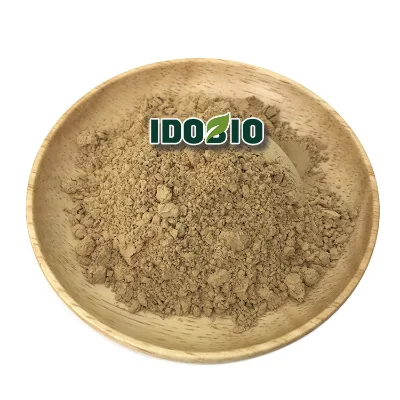
Procurement decisions should also account for the physical state and appearance of the material, which varies from yellow-brown fine powders to plant oils depending on the extraction method. While some listings specify the part used as the leaf or herb, others focus on the root, and these differences directly impact the solubility and final formulation capabilities. Buyers should verify the specific botanical source, such as Taraxacum Mongolicum Hand. Mazz, to ensure the raw material aligns with their product development requirements before engaging with suppliers.
Product Scope and Observed Listing Signals
The product scope encompasses a wide array of application forms, including tablets, capsules, pastes, and suppositories, reflecting the versatility of the extract in manufacturing. Listings frequently highlight the availability of customization services, allowing buyers to tailor the final product to specific regulatory or formulation needs. This flexibility is particularly valuable for companies developing specialized health care products that require precise dosing or unique delivery mechanisms beyond standard powder forms.
Observations of the market reveal a diverse range of active ingredients, with some products emphasizing flavonoids and cichoric acid while others list carnosic acid or ursolic acid. The presence of these specific compounds suggests that buyers must carefully review the active ingredient profile to match their therapeutic or functional goals. Additionally, the availability of free samples, often ranging from 5 to 50 grams, provides a practical mechanism for verifying the physical characteristics and solubility of the powder before committing to larger orders.
Technical Specifications to Verify
Verification of the assay method is essential to ensure the accuracy of the active ingredient content reported by the supplier. The market data indicates the use of UV, HPLC, and HPLC-MS techniques, which are standard for quantifying complex botanical compounds. Buyers should request recent test reports generated using these specific methods to confirm that the declared percentage of flavonoids or other actives meets the required specifications for their production line.
Particle size and extraction ratios are equally critical technical parameters that influence the performance of the final product. Specifications such as 80 mesh particle size and extraction ratios like 4:1 or 25:1 are commonly observed and must be validated against the buyer's processing equipment capabilities. Furthermore, the solubility profile, noted as dissolving in water for certain forms, must be confirmed to ensure compatibility with the intended manufacturing process and final product stability.
Compliance and Safety Documentation
Certification status serves as a primary indicator of a supplier's commitment to quality management and regulatory adherence. The observed listings frequently cite HACCP and FDA certifications, with some suppliers also providing ISO and RoHS documentation. Buyers should treat these certifications as evidence of a robust quality system but must verify the validity of the certificates for the specific facility and product line being sourced to ensure they are current and applicable.
Safety documentation must also address the specific standards applied to the raw materials and the final extract. While some background knowledge suggests ISO9001 or ISO22000, the explicit facts provided highlight HACCP and FDA compliance as the primary verified standards. Procurement teams should request copies of these certificates and cross-reference them with the product model to ensure that the specific batch of Dandelion Extract Powder is covered under the stated compliance framework.
Cost Drivers and Commercial Terms
The commercial landscape is influenced by the extraction ratio and the concentration of active ingredients, which are significant cost drivers in the supply chain. Products with higher extraction ratios, such as 25:1, typically command different pricing structures compared to lower ratio extracts like 4:1 due to the increased processing required to achieve the higher concentration. Buyers should analyze the cost per unit of active ingredient rather than just the price per kilogram to determine the true economic value of the material.
Minimum Order Quantities and packaging formats also play a pivotal role in the total cost of ownership and logistics planning. The observed MOQ of 1kg allows for smaller trial orders, while standard packaging options like 1kg bags or 25kg drums affect shipping efficiency and storage requirements. Understanding these terms helps buyers optimize their inventory levels and negotiate better shipping rates, ensuring that the commercial terms align with their production schedule and cash flow constraints.
Supplier Qualification and Quality Control
Supplier qualification requires a thorough review of the production origin and the specific part of the plant used in the extraction process. The data indicates that products originate from China and may utilize the leaf, root, or whole herb, each offering different chemical profiles. Buyers should verify the botanical source and extraction type, such as water extraction, to ensure the supplier's capabilities match the specific quality and purity standards required for their application.
Quality control protocols must be validated through the supplier's ability to provide consistent shelf life and stability data. The observed shelf life of two years suggests a stable product, but buyers should confirm the storage conditions required to maintain this duration. Additionally, the availability of samples and the supplier's willingness to provide detailed assay reports are strong indicators of a supplier's confidence in their quality control processes and their readiness to support long-term procurement relationships.
Long-Term Procurement Checks
Establishing a long-term partnership requires regular audits of the supplier's ability to maintain consistent product specifications over time. Buyers should implement a schedule for re-testing incoming batches to verify that the active ingredient levels, such as the 10% flavonoids or 1% cichoric acid, remain within the agreed-upon tolerance ranges. This proactive approach helps mitigate the risk of formulation failures and ensures that the final products consistently meet regulatory and quality standards.
Continuous monitoring of the supply chain for changes in certification status or production standards is also vital for risk management. As regulations evolve, suppliers must demonstrate their ability to adapt and maintain compliance with updated HACCP, FDA, or other relevant standards. Buyers should maintain open communication channels with suppliers to stay informed about any potential changes in the production process that could impact the quality, safety, or availability of the Dandelion Extract Powder.
FAQs
What forms can dandelion extract powder be processed into?
Dandelion extract powder can be processed into tablets, capsules, pastes, and suppositories for various health care and food applications. This versatility allows manufacturers to select the most suitable delivery method for their specific product needs while maintaining the integrity of the active ingredients.
What certifications are available for dandelion extract powder?
Available certifications for dandelion extract powder include HACCP, FDA, ISO, and RoHS. These certifications ensure that the product meets international safety and quality standards, providing assurance for buyers in the food and health care sectors regarding regulatory compliance and manufacturing practices.
What is the minimum order quantity for dandelion extract powder?
The minimum order quantity for dandelion extract powder is typically 1kg. This low MOQ allows buyers to test product quality and suitability for their production lines before committing to larger bulk orders, facilitating flexible procurement strategies for small to medium-sized enterprises.
What active ingredients are found in dandelion extract powder?
Active ingredients in dandelion extract powder include carnosic acid, carnosol, rosmarinic acid, ursolic acid, and flavonoids. Specific extracts may also contain cichoric acid, with concentrations varying by product standard, such as 10% flavonoids or 80% carnosic acid in certain formulations.
How is dandelion extract powder packaged and stored?
Dandelion extract powder is packaged in 1kg bags or 25kg drums, with paper barrels also used for certain shipments. The product has a shelf life of two years when stored properly, ensuring stability and potency for buyers planning long-term inventory management and distribution schedules.
Can buyers obtain samples of dandelion extract powder?
Yes, samples of dandelion extract powder are available, with some suppliers offering free samples ranging from 5 to 50 grams. This VIP service allows potential buyers to evaluate the physical appearance, solubility, and quality of the powder before placing a formal purchase order.